
Shipping Container Sizes and Prices Australia: Complete Buying Guide
Shipping container sizes and prices in Australia vary depending on the container’s dimensions, condition, type, location and delivery requirements. Whether you need a compact storage container, a standard 20ft shipping container or a larger 40ft unit, choosing the right option starts with understanding the available sizes and how they fit your project.
This guide compares common shipping container sizes in Australia, explains the factors that influence prices, and outlines what to check before buying. You will also find links to container categories and products available through Container Supply Hub.
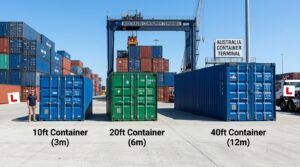
Shipping Container Sizes and Prices Australia: Quick Overview
Shipping containers are commonly available in several nominal lengths, including 10ft, 20ft and 40ft. Other options include 8ft units, high-cube containers, refrigerated containers, open-side containers and specialised storage units.
The dimensions and prices depend on the particular product. The following table provides a general comparison of common container types.
| Container type | Approximate external length | Typical use |
|---|---|---|
| 8ft container | 2.44m | Compact storage and restricted spaces |
| 10ft container | 3.05m | Small storage areas and equipment |
| 20ft container | 6.06m | General storage and commercial use |
| 40ft container | 12.19m | Larger storage and commercial projects |
| 20ft high-cube | 6.06m | Storage requiring additional internal height |
| 40ft high-cube | 12.19m | Larger loads or projects requiring extra height |
These are indicative nominal dimensions, not guaranteed specifications for every product. Actual external and internal measurements, door openings, height and usable capacity vary by model and manufacturer.
Always check the specifications of the particular container before purchasing.
How Much Does a Shipping Container Cost in Australia?
There is no single price for every shipping container in Australia. The total cost depends on the container type, condition, location and delivery arrangements.
A used standard container may have a different price from a new or one-trip unit of the same size. Specialised containers can cost more because of their equipment, construction or modifications.
Before comparing quotations, establish exactly what is included in the price.
Main factors affecting shipping container prices
Container size: Larger containers generally require more materials and transport capacity, although prices do not necessarily increase in direct proportion to length.
Condition: New, one-trip, used, refurbished and cargo-worthy containers can differ significantly in price and condition.
Container type: High-cube, refrigerated, open-side, flat-rack and modified containers have different specifications and intended uses.
Location: Availability, supplier location and the distance between the depot and delivery address can influence the total cost.
Delivery and unloading: Transport, access restrictions, unloading equipment and site conditions may add to the purchase price.
Modifications: Doors, windows, insulation, ventilation, electrical installations and other alterations can increase the total cost.
Availability: Stock levels and demand can affect the price of particular sizes and specifications.
GST and other charges: Confirm whether the quoted price includes GST, delivery and any applicable additional charges.
For an accurate comparison, request a quotation for the exact container specification and delivery location.
10ft Shipping Containers: Sizes, Uses and Prices
A 10ft shipping container is a compact option for people who need secure storage without using the footprint of a standard 20ft unit.
Its nominal external length is approximately 3.05 metres, although width, height and internal dimensions depend on the specific model.
What can a 10ft container be used for?
Potential uses include:
- Tools and equipment storage.
- Business inventory.
- Workshop supplies.
- Maintenance equipment.
- Storage at suitable commercial properties.
- Smaller projects where site space is limited.
A 10ft container may suit a property with restricted space, but delivery access and placement still need to be checked.
What affects the price of a 10ft container?
The price depends on condition, construction, door configuration, availability and delivery requirements.
Before ordering, check whether the container is new, one-trip, used or refurbished, and confirm its exact dimensions and condition.
Explore the 10ft shipping containers category at Container Supply Hub.
20ft Shipping Containers: A Versatile Storage Option
A standard 20ft shipping container has a nominal external length of approximately 6.06 metres. It is widely used for storage, commercial operations and other projects where a larger enclosed space is required.
Common uses for 20ft containers
A 20ft container may be suitable for:
- Business stock and inventory.
- Tools and machinery.
- Construction materials.
- General commercial storage.
- Agricultural equipment and supplies.
- Projects requiring a larger enclosed storage area.
Suitability depends on the container’s condition, the goods being stored and the available site.
Standard-height and high-cube options
A standard-height container and a high-cube container can have the same nominal length but different external and internal heights.
A high-cube model is generally around 30cm taller externally than a standard-height model. The exact usable height depends on the container’s construction.
If you plan to store tall equipment, stacked goods or bulky items, compare the internal dimensions and door opening rather than relying on the nominal size alone.
Browse the 20ft container category to explore available options.
40ft Shipping Containers: Larger Storage Capacity
A standard 40ft shipping container has a nominal external length of approximately 12.19 metres.
It may suit businesses and property owners who need substantial storage space or want to consolidate larger quantities of goods in one unit.
Common uses for 40ft containers
Potential uses include:
- Larger commercial inventory.
- Bulky equipment and materials.
- Warehousing and stock storage.
- Suitable agricultural or industrial applications.
- Projects requiring a longer enclosed space.
Before purchasing a 40ft container, confirm that the site can accommodate its length and that the delivery vehicle can access the proposed location.
40ft standard and high-cube containers
High-cube containers provide additional height compared with standard-height models. This may be useful for goods that require more vertical clearance.
However, the usable volume depends on the internal length, width, height and door opening of the actual container.
Check the specifications before deciding which model offers the best fit for your needs.
Other Shipping Container Types Available in Australia
Standard storage containers are not the only options. Depending on your project, a specialised container may be more suitable.
High-cube shipping containers
High-cube containers provide additional height and may suit bulky goods or applications requiring greater internal clearance.
Check the exact dimensions, door opening and storage requirements before purchasing.
Refrigerated shipping containers
Refrigerated containers, often called reefers, use refrigeration equipment to maintain controlled temperatures within their intended operating range.
They may suit certain temperature-controlled storage applications, subject to the equipment specifications, power supply, operating conditions and maintenance requirements.
Explore refrigerated storage containers.
Open-side shipping containers
Open-side containers provide access along a larger portion of the side wall, depending on the model.
They may be useful when loading or unloading bulky items from the side is more convenient than using end doors.
Check the product’s door configuration, structural specifications and access requirements.
Flat-rack shipping containers
Flat-rack containers are designed for certain oversized or awkwardly shaped cargo that cannot be accommodated in a conventional enclosed container.
Their suitability depends on the load, securing arrangements and transport requirements.
Explore the flat-rack container category.
Modified shipping containers
Modified containers can include additional doors, windows, insulation, service openings or other changes.
The final cost depends on the scope of work and intended use.
Visit our shipping container modifications page to explore modification options.
New, One-Trip or Used Shipping Containers: Which Should You Choose?
The condition of a container affects its price, appearance and suitability for a particular application.
New or one-trip containers
One-trip containers have generally completed a limited number of transport journeys before being offered for sale. They may be appropriate when appearance and condition are important.
However, the term does not guarantee that every component is flawless. Inspect the specifications and confirm the supplier’s description.
Used shipping containers
Used containers can be suitable for many storage applications, depending on their condition and previous use.
Before buying, check for corrosion, dents, damaged doors, floor deterioration, leaks and other issues that could affect usability.
Ask the supplier to explain the container’s grade and what that grade means for its condition.
Refurbished containers
A refurbished container may have undergone repairs or improvements. The extent of the work varies, so ask for details of the refurbishment and any remaining defects.
How to choose the right condition
Consider how the container will be used, how long you intend to keep it and whether appearance, weather resistance or specialised features are important.
Read our shipping container grades and condition guide before comparing products.
How to Measure a Shipping Container Before Buying
Container sizes are commonly described using nominal external lengths, such as 10ft, 20ft and 40ft. These descriptions do not tell you every measurement you need for your project.
External dimensions
External dimensions help determine the space required for placement and delivery.
Measure the available site and allow for the space required by delivery equipment, doors and any necessary access around the container.
Internal dimensions
Internal dimensions determine the usable storage space.
The container walls, roof structure, floor and door configuration reduce the usable space compared with the overall external dimensions.
Door opening dimensions
The height and width of the door opening can be important when storing machinery, pallets, vehicles or bulky equipment.
Check that the items you plan to store can pass through the opening safely.
Ground clearance and placement
Consider the container’s support arrangement, site slope, drainage and the surface beneath it.
The required preparation depends on the container, load, ground conditions and intended use.
For a more detailed dimensional reference, read our shipping container sizes in metres guide.
Shipping Container Delivery Costs in Australia
Delivery can make a significant difference to the total cost of buying a container.
The amount depends on the supplier’s location, the destination, the container size, the delivery vehicle and the unloading method.
Factors that affect delivery
Distance: Longer journeys may increase transport costs.
Container size: The container must be compatible with the available transport and unloading equipment.
Site access: Narrow roads, low branches, overhead wires, gates and restricted turning areas can complicate delivery.
Ground conditions: Soft ground, steep slopes or unsuitable surfaces may affect whether the container can be safely placed.
Unloading requirements: The delivery method depends on the container, vehicle and site.
Placement restrictions: The intended position must allow the container to be unloaded and placed safely.
Before confirming an order, provide the supplier with your delivery address and details about site access.
Read our shipping container delivery and site preparation guide and review our Australia-wide delivery information.
How to Choose the Right Shipping Container Size
The best container is not necessarily the largest or the cheapest. It is the one that meets your storage needs, fits the site and offers suitable value for your intended use.
Use these considerations when comparing options.
Start with the items you need to store
Estimate the volume and dimensions of your goods. Consider whether you need shelving, access aisles or room to move equipment.
Measure the site
Confirm the available length, width and height, including access for delivery and unloading.
Consider future storage needs
If your stock or equipment requirements are likely to grow, compare the cost of a larger container with the cost of purchasing or hiring additional storage later.
Compare the condition and specifications
Check the container’s dimensions, door opening, condition, security features and any special requirements.
Calculate the total delivered cost
Compare the purchase price, transport, unloading, preparation and any modifications.
Check local restrictions
If the container will be placed on private, residential or commercial property, confirm any planning, building or other requirements that apply to its proposed location and use.
Buying a Shipping Container Online in Australia
Buying online can help you compare container sizes, specifications and available products before requesting a quotation.
Before placing an order, verify the following details:
- The exact container size and type.
- Whether the container is new, one-trip, used or refurbished.
- The condition and any known defects.
- Internal and external dimensions.
- Door configuration and opening dimensions.
- Whether delivery is included.
- Whether unloading and placement are included.
- The expected delivery timeframe.
- Any applicable GST and additional charges.
- The supplier’s payment, warranty and return terms.
Do not assume that two containers described as the same size have identical specifications or condition.
Review the product information carefully and ask questions before paying.
You can explore available products through the Container Supply Hub shop.
Frequently Asked Questions
What are the most common shipping container sizes in Australia?
Common nominal lengths include 10ft, 20ft and 40ft. Smaller 8ft units, high-cube containers and specialised models are also available. Exact dimensions vary by product.
How much does a 20ft shipping container cost in Australia?
The price depends on the container’s condition, specifications, location, availability and delivery requirements. Request a current quotation for the exact model and delivery address rather than relying on a general price estimate.
Is a 40ft container twice the size of a 20ft container?
A 40ft container has approximately twice the nominal external length of a 20ft container. Actual internal volume and usable capacity depend on the particular models and their dimensions.
What is the difference between a standard container and a high-cube container?
A high-cube container is generally around 30cm taller externally than a standard-height container. Internal height and usable space vary by model, so check the manufacturer’s specifications.
Is a used shipping container worth buying?
A used container may offer value for storage or other suitable applications, provided its condition meets your needs. Inspect the doors, floor, structure and signs of corrosion, and ask about previous use and any repairs.
Does the price include shipping and delivery?
Not necessarily. Some quotations include delivery, while others list transport and unloading separately. Confirm the complete delivered cost before ordering.
Can I modify a shipping container after buying it?
Containers can be modified for certain applications, but the work may require structural assessment, suitable contractors and relevant approvals. Confirm the feasibility and cost before making changes.
How do I choose between a 10ft, 20ft and 40ft container?
Start with the dimensions and quantity of goods you need to store, then consider site space, delivery access, budget and future requirements. Compare the internal measurements and door opening of the actual products before deciding.
Find Shipping Containers at Container Supply Hub
Choosing the right shipping container starts with understanding your storage requirements, comparing available sizes and calculating the total delivered cost.
Container Supply Hub offers a range of container and modular building products for Australian customers.
Explore our 10ft shipping containers, browse 20ft containers or compare options in our containers for sale category.
If you need help identifying a suitable option, contact Container Supply Hub for a quote. Include your preferred size, intended use and delivery location so that the relevant specifications and delivery arrangements can be confirmed.
Disclaimer: Dimensions in this guide are approximate and are provided for general comparison. Product specifications, availability and prices can change. Confirm current pricing, dimensions, condition, delivery costs and any applicable site requirements with the supplier before purchasing.